


How to Import Tires from China in 2027: The Emerging-Market Buyer's Playbook
How to Import Tires from China in 2027: The Emerging-Market Buyer's Playbook
2026 is the best buyer's window in a decade: Chinese export volumes are up 3.4% while average export prices are down. If you are working out how to import tires from China for 2027 delivery, that gap between rising tonnage and falling unit prices is the one number worth building your plan around. Supply is abundant, factories are competing for export orders, and importers in Lagos, Jeddah, São Paulo, and Almaty can still lock terms that looked impossible two years ago.
Three structural changes created this window. State-level buyers are placing national-scale orders instead of leaving demand to fragmented private trade. Multinational producers are pulling manufacturing capacity out of Africa and other regions. And a new wave of tariff walls is redrawing which routes carry which volumes into 2027.
How to import tires from China in 2027 comes down to preparation. For every importer who lands a clean container, others lose weeks to missing certificates, contracts that collapse under dispute, or casings that fail in month three. None of those losses is bad luck; each traces back to homework skipped before the deposit cleared. This playbook walks you through the full run: a compliance route map, a factory-audit checklist, a brand-by-category matrix covering Double Coin, Warrior, and FEDCOIN, and a landed-cost framework built for emerging-market realities.
Key Takeaways
- China exported 8.31 million tons of rubber tires from January to October 2026, up 3.4% year on year, while export value fell 1.1%: volume up, unit price down.
- Algeria's Naftal plans to import 3.5 million tires in Q1 2027, and Continental is considering discontinuing South African production. Both moves widen Africa's import gap.
- A controlled import runs on six steps: fix your mix and HS codes, map certification, audit the factory, negotiate terms, book FCL logistics, and calculate landed cost.
- Match brand and category to market: Double Coin and Warrior TBR for Africa and the Middle East, PCR for Latin America and Southeast Asia, OTR for mining and construction.
- Track five compliance items before you sign 2027 purchase orders: Brazil's 30% tariff, the EAEU anti-dumping extension, EU anti-subsidy and EUDR dates, and China's tire carbon-footprint standard.
The November 2026 Signals: Why the Import Window Is Open Now
Forecasts rarely move markets; announcements do. Within four weeks of autumn 2026, three announcements changed the operating picture for anyone planning how to import tires from China in 2027. Put them side by side and the buyer's case is hard to ignore.
Algeria's state-led import plan: 3.5 million tires by Q1 2027
Algeria's state fuel distributor Naftal plans to import 3.5 million tires in Q1 2027, after importing about 1 million units over the previous eight months (announced Oct 2026 at NAPEC, Oran).
The scale is no spot purchase. Algeria's annual tire demand is about 6.5 million units versus roughly 3.8 million units of domestic capacity — a structural import gap of about 2.7 million tires per year (Naftal/Ministry of Hydrocarbons, Oct 2026).
State buying has already reshaped local retail. After state intervention, tire retail prices in Algeria fell from about 24,000 to 13,000 dinars (-46%), and Naftal selected 13 foreign suppliers via a second international tender (Oct 2026). For exporters, the takeaway is direct: the tender bar is documentation, consistency, and price discipline. Clear it and you gain volume that fragmented private trade cannot match (Naftal import program coverage).
Continental's exit from South African production: Africa shifts from making to importing
On November 20, 2026, Continental announced it is considering discontinuing tire production at its Gqeberha plant in South Africa (operating since 1947, with about 950 employees affected) while keeping its regional sales and BestDrive retail network (Continental press release).
Wording matters here. Continental describes a review of production, and the commercial network stays either way. The signal is structural: a global brand is questioning the economics of African manufacturing while protecting distribution.
Replacement demand does not vanish when a plant reviews its future; it shifts toward imports.
"Volume up, price down": China's Jan-Oct 2026 export data
China exported 8.31 million tons of rubber tires from January to October 2026, up 3.4% year on year, while export value fell 1.1% to RMB 138.7 billion (China Customs, released Nov 18, 2026). Volume up, unit price down.
Exporters are shipping more tonnage and earning less per ton. In negotiation rooms, that shows up as softer quotes, more flexible minimums, and greater willingness to hold specification across repeat orders. Buyers who capture those terms are the ones who arrive with a defined mix and a credible annual plan.
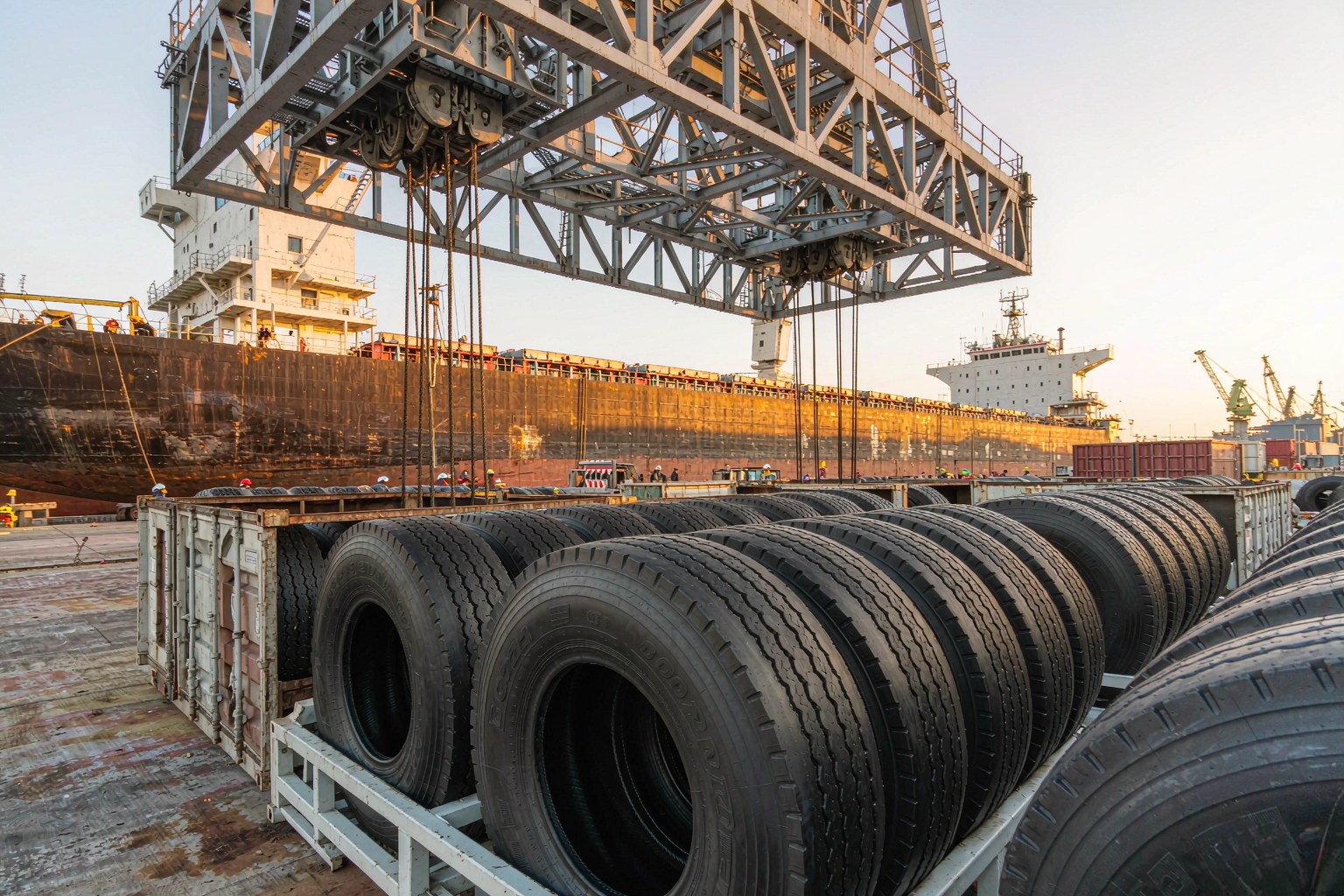
New truck and bus tires staged for container loading at an export terminal.
Three signals, one market state: demand is tilting toward imports in Africa and the Middle East while Chinese supply stays plentiful and cheap. So where does that demand pay best? The map below sorts it by region.
Where the Demand Is: The 2027 Emerging-Market Opportunity Map
Window timing matters, but destination matters more. The four regions below need different mixes, different specs, and different paperwork. Use this map to decide where your next container earns the best return.
Africa: replacement demand as local manufacturing retreats
Two forces now run in the same direction across Africa. Continental is reviewing production in South Africa while keeping its retail network, and Algeria's state buyer is contracting for millions of imported units to cover a structural gap. Local manufacturing is retreating in places while vehicle populations keep growing.
For distributors, that combination rewards reliable offshore supply agreements, especially in TBR. The constraint is rarely the product; it is port clearance and conformity paperwork. In West Africa's largest economy, the route is well documented: the Nigeria SONCAP tire import guide explains how conformity assessment and pre-shipment verification fit into your timeline.
Illustrative scenario (name changed): Kwame, a distributor in Tema, Ghana, planned 2027 around two 40-foot containers of TBR per quarter after a regional supplier stretched lead times to 90 days. He qualified a Chinese factory in September, aligned sizes to his taxi and haulage customers, and held retail prices steady through the season because stock arrived on schedule.
Middle East: high-temperature, high-load TBR replacement
Gulf fleets run hot. High ambient temperatures, sustained highway speeds, and heavy axle loads punish weak casings, so Middle Eastern buyers screen TBR candidates on heat resistance, load index, and retreadability rather than headline price alone.
Specification discipline pays here. Match compound and carcass construction to the actual duty cycle and tires last longer per dollar, with fewer claims reaching your counter. Distributors who can document high-temperature test data also move faster through fleet tenders. For segment-level detail, the Africa and Middle East tire import supply analysis tracks where this replacement volume is landing.
Latin America: growth behind rising tariff walls
Latin American demand keeps rising even as governments raise the gates. Brazil raised its passenger-car tire import tariff to 30% for 12 months effective November 9, 2026; in Jan-Sep 2026 China's tire exports to Brazil reached USD 677 million, up 30.8%, with PCR export volume rising from 17.4 million to 25.02 million units (Gecex Resolution 978 / China Customs).
Tariffs up, volumes up. Hold that pair in your head. Demand is strong enough to absorb policy pressure, which makes landed-cost accuracy the deciding skill for PCR importers. The Latin America tire sourcing strategy breaks down country-level positioning and timing for exactly this environment.
Central Asia & CIS: the EAEU anti-dumping countdown
The Eurasian Economic Union extended its anti-dumping duties on Chinese truck and bus tires (TBR) at 14.79%-35.35% until February 13, 2027 (EEU Council decision, Oct 27, 2026).
That date is a working deadline. Buyers serving Kazakhstan, Russia, and neighboring EAEU markets should price TBR programs in two windows: shipments clearing before the expiry, and programs built for whatever rule set follows February 13, 2027. Duty exposure moves the landed math by a wide margin, so treat the calendar as part of the product spec.
Replacement demand is growing across all four regions, with different specs and different paperwork. Geography decides where the opportunity sits; process decides whether you capture it.
How to Import Tires from China: The 6-Step Process
This is the field sequence experienced importers follow when they import tires from China on every order. The process runs in six moves: lock the size mix and HS codes, map destination certification, audit the factory, negotiate Incoterms and payment, book FCL logistics, and calculate landed cost before the PO goes out. Use it as your checklist from first RFQ to container release.
Step 1: Define your mix and get HS codes right
Start with sizes and volumes, not brochures. List your top replacement sizes by segment (PCR, TBR, OTR), forecast quarterly volume, and map each line to its HS heading. Passenger tires typically classify under HS 4011.10, truck and bus tires under 4011.20, and OTR tires under adjacent headings such as 4011.80 or 4011.90 depending on the equipment they serve.
The heading matters because duty rates, certification, and inspection intensity all follow it. A mixed container of PCR and TBR is normal; a mixed declaration that disagrees with the packing list is not. Fix the mix and the codes first, and every later step gets cheaper.
Step 2: Map certification and compliance for YOUR market
Certification is destination-specific, and the importer of record carries the risk. Gulf markets use conformity marks, West African markets run schemes such as SONCAP, and others require environmental or labeling filings. Check what your port expects against our tire import certification requirements by market before you pick up the phone.
Build a simple compliance sheet: certificate name, issuing body, test samples required, typical turnaround, and who pays. Missing one certificate can idle a container longer than any weather delay.
Step 3: Vet suppliers and audit the factory
Most quality failures get prevented at the vetting stage. Verify the business license and export record, confirm the factory owns its mixing, building, curing, and testing equipment, and request third-party test reports for your exact sizes. A real factory audit, whether you fly in or hire an inspector, shows you the curing schedule, the mold list, and the warehouse rotation.
Red flags are consistent: trading companies posing as plants, refusal to share test data, no export history in your market, and pressure for full prepayment. Reputable suppliers accept milestone payments and third-party inspection because they expect repeat volume.
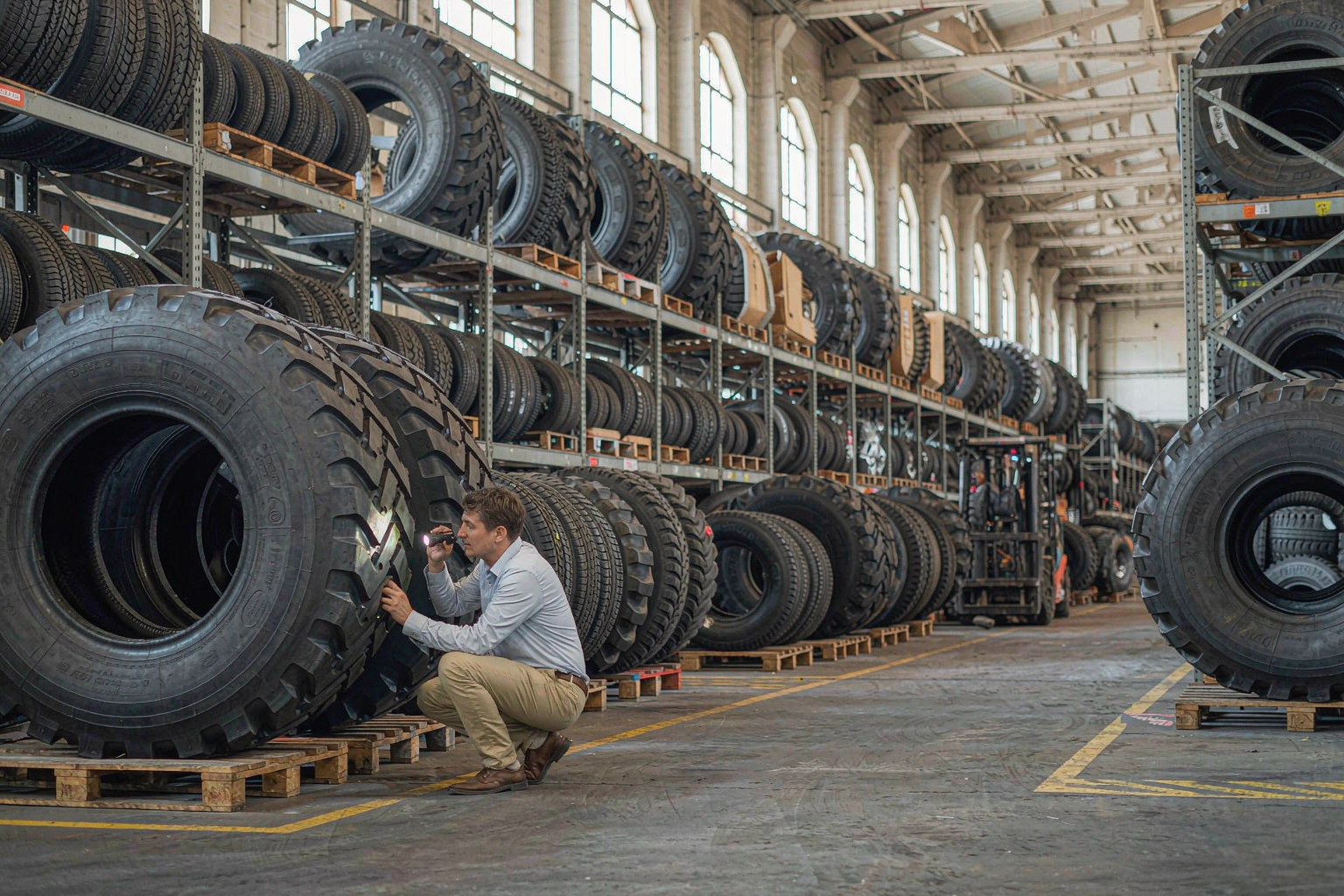
Wholesale tire warehouse where importers verify stock quality before shipment.
Step 4: Negotiate Incoterms, payment terms and contracts
Choose Incoterms deliberately. FOB keeps freight control with you, CIF bundles freight and insurance into the supplier's price, and DDP can simplify arrival if you fully trust the supplier's landed-cost handling. Payment terms in this industry commonly run as a deposit plus balance against shipping documents, with letters of credit reserved for larger tenders.
Put the specification, tolerance, packaging, claim window, and inspection rights in the contract. Verbal assurances do not survive a delayed sailing or a price spike.
Step 5: Book logistics: FCL loading, MOQ, lead time
Tires ship best as full container loads. Confirm the factory's MOQ per size, the loading plan for a 40-foot high-cube, and realistic production lead time before you promise delivery to your own customers. Build your calendar around production, inland trucking, port cutoff, and sailing, then add clearance on the destination side.
Seasonality matters. Pre-peak buying before agricultural or construction seasons locks capacity while factories still have slots. Our 2026 China tire procurement calendar shows when factories take holidays, close order books, and reprice, which is exactly the information your sales plan needs.
Step 6: Clear customs and calculate landed cost
Landed cost is the total cost of getting tires to your warehouse: product, freight, insurance, duty, VAT or GST, clearing fees, and inland transport. That total decides resale margins, so stress-test it against a freight swing and a currency swing. Duty classification errors are the most expensive surprise at this stage.
Prepare documents before arrival: invoice, packing list, bill of lading, certificate of origin, and any conformity certificates. When paperwork is ready early, containers clear early, and working capital stays where it belongs.
A clean process still fails when the wrong product lands in the right market. Matching brand and category to demand is the decision that protects margin.
Brand × Category Matrix: Matching Double Coin, Warrior and FEDCOIN to Your Market
Before sizing containers, align brand and category to the demand you actually serve. For positioning depth, see the Double Coin vs Warrior vs FEDCOIN brand comparison; the matrix below maps each pairing to markets, use cases, and selling points.
| Double Coin | TBR | Africa, Middle East | Long-haul freight, regional haulage, bus fleets | Proven casing durability, retreadable construction, wide size coverage (Double Coin TBR lineup) |
| Double Coin | PCR | Latin America, Southeast Asia | Urban commuting, mixed city fleets | Balanced price-performance, steady supply for repeat orders |
| Warrior | TBR | Africa, Middle East | Mixed on/highway haulage | Competitive landed cost on high-turn sizes |
| Warrior | PCR | Latin America, Southeast Asia | Value replacement retail | Price positioning built for cost-sensitive volume |
| FEDCOIN | TBR | Africa, Middle East, CIS | Fleet replacement programs | Spec flexibility for tender-style buying |
| FEDCOIN | OTR | Africa, Latin America | Mining haulage, construction sites | Load and cut resistance for harsh duty cycles |
TBR: the volume engine for Africa and the Middle East
First-time importers usually do best concentrating on TBR. Replacement cycles are short, sizes standardize across fleets, and both Africa and the Middle East are rebuilding stock as regional production wobbles. The commercial conversation is about cost per kilometer and casing life, which rewards suppliers with disciplined build quality. Our retreading cost-savings guide covers the casing economics behind that number.
Building a TBR program from zero? Our TBR tire sourcing in China primer covers size prioritization, test expectations, and how to structure a first FCL without overcommitting on slow movers.
Illustrative scenario (name changed): A fleet buyer in Jeddah (not his real name) runs 180 tractors on a desert line where summer asphalt cooks shoulder rubber faster than any spec sheet expects. When heat-related removals spiked, he rewrote the 2027 tender: high-temperature compounds only, load-index documentation per size, and the award split across two audited factories. The following quarter his maintenance log went quiet on heat failures, because the casings finally matched the duty cycle.
PCR: value positioning for Latin America and Southeast Asia
PCR competition in Latin America and Southeast Asia is a value game with tariff overlays. Buyers win with a tight size ladder, consistent appearance and labeling, and pricing that survives duty changes like Brazil's 30% passenger-car measure. Sell-through is retail-fast, so fill rates matter more than catalog breadth.
Position PCR lines on reliability per dollar. A modest premium that holds up over thousands of complaints-free kilometers keeps shelf space longer than a race to the bottom sticker price.
OTR: mining and construction demand
OTR is a smaller-volume, higher-stakes category tied to mines, quarries, and infrastructure programs. Downtime costs dwarf tire costs, so buyers evaluate cut resistance, heat behavior, and service support alongside price. Projects in Africa and Latin America are the natural demand centers in 2027, sized in detail in our OTR tire market outlook.
Treat OTR sourcing like capital-equipment procurement: validate test evidence, confirm mold availability for your site's sizes, and agree on failure handling in writing. The mining OTR tire sourcing from China guide walks through the full evaluation path.
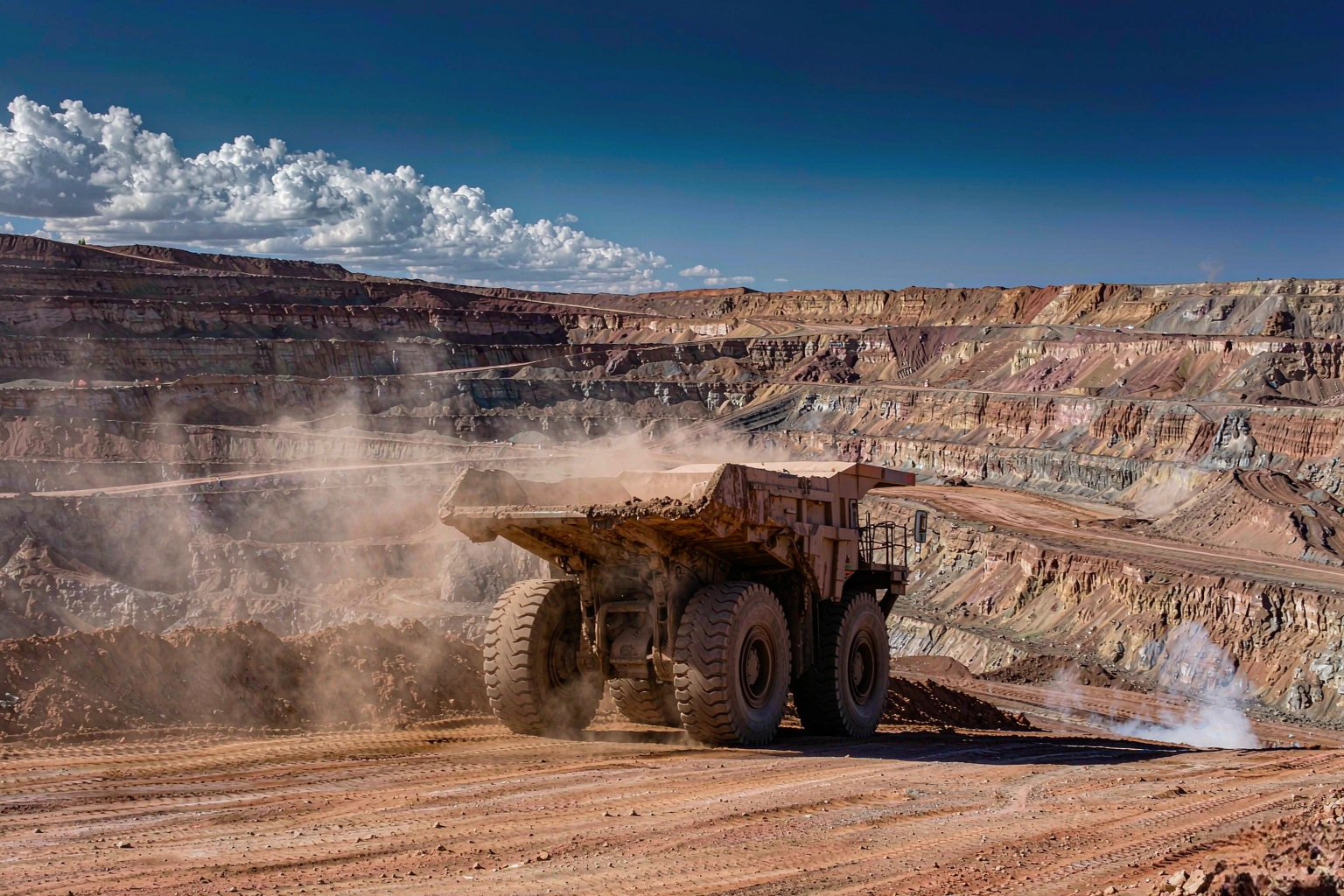
Heavy rigid dump truck riding on OTR mining tires at an open-pit site.
Whichever mix you choose, tariff and compliance dates now touch every 2027 program. Line these five dates up against product cost and freight before any purchase order leaves your desk.
2027 Tariff and Compliance Watchlist
Tariff walls are not a footnote in 2027. They are pricing inputs. The items below belong on the same spreadsheet as product cost and freight, and our tariff-wave sourcing playbook for non-Western importers shows how to price around them without giving up the volume.
| Brazil passenger-car tire tariff | Raised to 30% for 12 months (Gecex Resolution 978) | Effective November 9, 2026 | PCR importers into Brazil |
| EAEU anti-dumping on Chinese TBR | Duties of 14.79%-35.35% extended | Until February 13, 2027 | TBR importers into EAEU markets |
| EU anti-subsidy (Chinese tires) | Anti-subsidy measure milestone | December 5, 2026 | Anyone routing volume toward the EU |
| EUDR (EU Deforestation Regulation) | Due-diligence obligations for natural rubber inputs | December 30, 2026 | Suppliers and importers serving EU customers |
| China tire carbon-footprint standard | National standard (国标) on carbon footprint | November 16, 2026 | Exporters and buyers who need compliance data |
Two habits separate the calm importers from the reactive ones. First, re-check duty status before every PO, because extensions and expiries move quietly. Second, keep supplier compliance documents current (rubber sourcing declarations, carbon-footprint data, conformity certificates) so you are never assembling evidence while a container sits on demurrage. Technical files such as the Euro 7 tyre abrasion limits importer guide show what that evidence looks like for EU-bound specs.
A few questions come up on almost every deal. Clear them before the commercial step.
FAQ: Importing Tires from China
What documents do I need to import tires from China?
At minimum you need a commercial invoice, packing list, bill of lading, certificate of origin, and any conformity certificate your market requires, such as SONCAP in Nigeria or Gulf conformity marks. Your broker files the import declaration. Requirements vary by destination, so verify the list against the tire import certification requirements by market before sailing.
How long does it take from PO to delivery in Africa, the Middle East or Latin America?
Plan on a full quarter for most first orders: roughly 25 to 35 days of production after deposit, 20 to 35 days of ocean sailing depending on the lane, and 5 to 15 days for clearance and inland delivery. Certification adds time where testing or pre-shipment inspection applies. Repeat orders move faster once documents and molds are settled.
Are Chinese tires subject to anti-dumping duties in my market?
Possibly. Anti-dumping duties are market-specific and change frequently. The Eurasian Economic Union, for example, applies duties of 14.79%-35.35% on Chinese TBR until February 13, 2027, and Brazil raised its passenger-car tire import tariff to 30% in November 2026. Check your destination's current measures before pricing, and build a tariff-watch step into every sourcing cycle.
How do I verify a Chinese tire supplier before paying a deposit?
Verify the business license and export history, confirm the factory owns its production lines rather than only trading, request third-party test reports, and run a factory audit or hire an inspection firm. Speak to existing importers in your region. Reputable suppliers accept audits and milestone payments; pressure to pay 100% upfront is a standard red flag.
Is it legal to import used or retreaded tires from China?
It depends entirely on your market, and several destinations restrict or ban used tires on safety grounds. Retreaded tires face separate rules and are common in commercial fleets where casings are managed properly. New tires are the standard import path. If you are considering retreads, confirm local legality in writing before signing any contract.
Ready to Import Tires from China? Get a Tailored Quote from Goldtop
You now hold the buyer's checklist: mix and HS codes, certification map, audited supplier, contract terms, logistics window, and landed-cost model. The only open question is whether your file is complete.
If it is, the fastest next step is commercial. Request a tire import quote: send your destination market, category (TBR, PCR, or OTR), and expected annual volume, and Goldtop's export team returns tailored pricing within 48 hours. Three ways to start:
- Request a tire import quote with market, category, and annual volume for a 48-hour quotation.
- Browse tire catalog for sizes and specs before you shortlist.
- Contact the export team to discuss certification gaps, sizing, or first-container planning.
If your checklist has gaps, send the gaps instead. A short conversation about HS codes or certification usually saves a whole container of mistakes.
Conclusion
The 2027 numbers all point one way. China shipped 3.4% more tire tonnage through October 2026 while unit prices fell. Algeria wants 3.5 million imported tires in Q1 2027. And Continental is considering discontinuing South African production while keeping regional retail. Together they make a buyer's market for anyone planning to import tires from China in 2027.
Your next three moves are simple: define the category mix your market actually turns, map certification before you price, and send one inquiry with real volumes. Windows like this reward the prepared, not the fastest.
Have a question ? We are here to help.



Tire Inquiry Form
Name*
Phone*
Email*
Leave word*


